
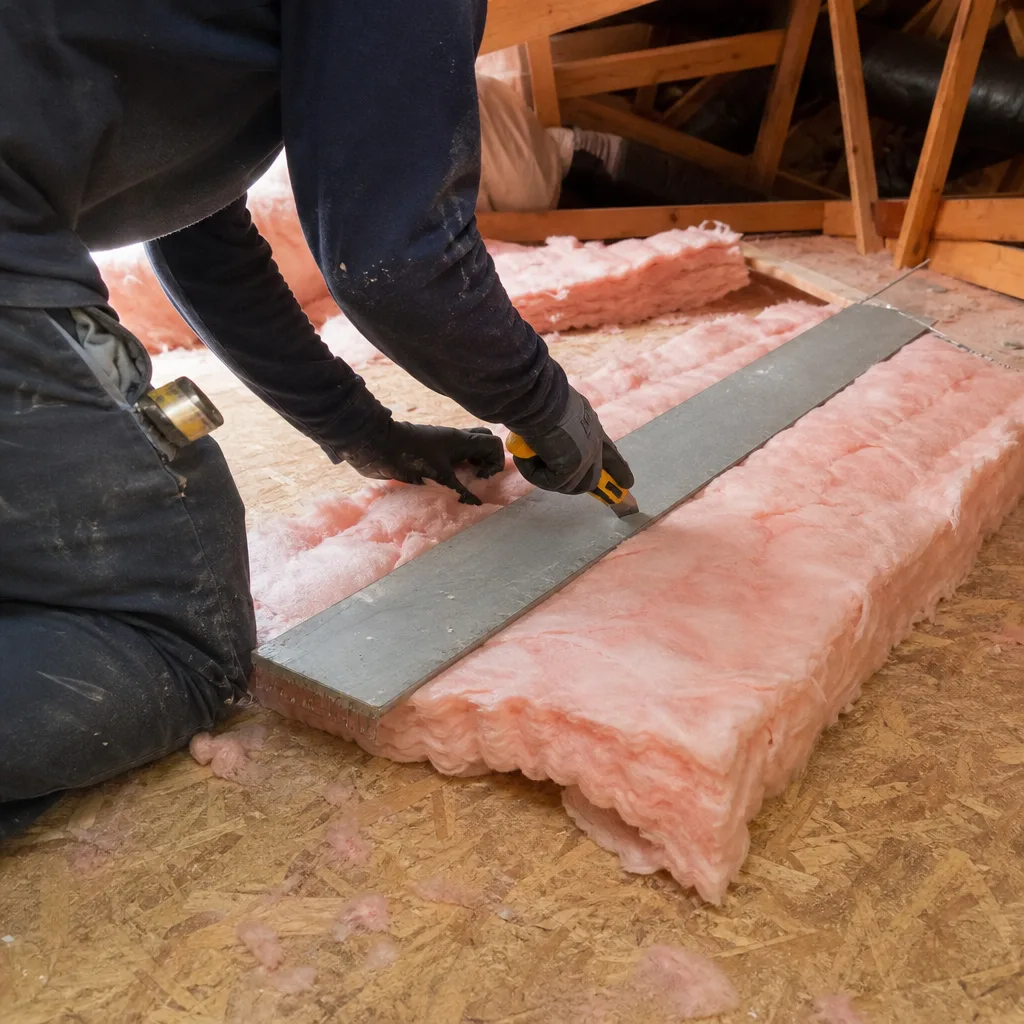
Blown-In Attic Insulation in Long Beach, CA
Blown-in attic insulation in Long Beach typically costs between $1,800 and $4,200 for a standard 1,200 – 1,800 sq ft attic, with most homes landing around $2,600 – $3,400. For a detailed breakdown, see How Much Does Attic Insulation Cost? (2026 Price Guide) - Long Beach, CA. The work usually takes four to six hours, and you’ll feel the difference the same day. That’s the direct answer. The longer answer involves R-value, material choice, and whether your existing insulation needs to come out first, which is what we’ll walk through below.
At Alden Insulation Long Beach, we install blown-in insulation using fiberglass from Owens Corning and Johns Manville, or cellulose from GreenFiber, depending on what your attic actually needs. We’re part of the Garrison Partners family, founded in 2002, and every job we run is held to The Garrison Standard: written prices before work starts, background-checked uniformed technicians, and a written guarantee good for 365 days. Bryce Holloway runs this location, and he’s the one who answers when you call (562) 317-6204 with a question about your attic.
This page covers blown-in insulation specifically. If you want the full picture on attic insulation in general, including removal and air sealing, read our main Attic Insulation in Long Beach page.
Key Takeaways
- Blown-in insulation costs $1,800 – $4,200 for most Long Beach homes; the written price is in your hand before work begins.
- Fiberglass and cellulose are the two main blown-in materials; we install Owens Corning, Johns Manville, and GreenFiber products.
- Long Beach’s marine layer and older housing stock make R-value upgrades one of the highest-return improvements a homeowner can make.
- Every job is covered by the 365-Day Done Right Promise: if it fails within a year, we return at no charge.
- Call (562) 317-6204 for a free estimate. A live person answers, 24/7.
When You Need Blown-In Attic Insulation
Long Beach homes run the gamut: Spanish-style stucco from the 1920s in Belmont Heights, mid-century ranch layouts in Los Altos, newer builds on the east side. What most of them share is an attic with too little insulation, and in our climate, that shows up in specific ways. Here’s what we hear from homeowners across Long Beach before they call us:
- Upstairs rooms that won’t hold temperature. The attic heats up fast when the sun hits the roof, and that heat bleeds into second-story bedrooms all afternoon. If your AC runs constantly from 3 PM to 7 PM, your attic R-value is probably doing little to stop the transfer.
- Cool drafts in winter, especially in Naples and the Peninsula. It doesn’t freeze in Long Beach, but the marine layer brings damp 50-degree nights. Heat escapes through the attic, and it feels like the house cools off within an hour of the furnace cycling off.
- Energy bills that climb every summer. Southern California Edison rates have climbed steadily since 2021. An under-insulated attic is the biggest single reason your cooling bill runs high in July through October.
- You can see the ceiling joists in your attic. If you’ve looked up there and the insulation sits below the top of the joists or has gaps, you’re at roughly R-19 or less. Current Department of Energy guidance for coastal Southern California is R-30 to R-38 for attics. Most older Long Beach homes sit at R-11 to R-19.
- Rooms over the garage are uncomfortable year-round. Garage-adjacent spaces and bonus rooms over garages get hit from below and above. Blown-in insulation in the attic above them makes a measurable difference, often within a week.
- Your insulation is old, compressed, or water-stained. Fiberglass batts lose effectiveness as they compress and get dusty. Water staining from old roof leaks reduces R-value further. Blown-in insulation replaces that lost performance, and we remove the old material first when it’s compromised.
If several of these sound familiar, the next step is measuring what’s in your attic now. We do that as part of every estimate at no charge.
What Blown-In Insulation Does That Batts Can’t
Blown-in insulation matters for a simple reason: attics are irregular. Pipes, junction boxes, recessed light housings, diagonal bracing, odd joist spacing. Attic Batt Insulation leaves gaps around all of that. Blown-in material, whether fiberglass or cellulose, fills the cavity completely and settles into a continuous thermal layer with no seams or voids. For an attic in an older Long Beach home, where nothing is square and everything was framed before modern spacing standards, blown-in is usually the right call.
There’s also the coverage depth question. Batts come in fixed thicknesses; blown-in insulation can be installed to whatever R-value the job calls for, from R-30 up to R-49. We install Owens Corning loose-fill fiberglass, Johns Manville blown fiberglass, and GreenFiber cellulose. Cellulose is made from recycled paper treated with borate, and it has a slightly higher R-value per inch than fiberglass, around R-3.7 versus R-2.5 – 2.7. Fiberglass is lighter and less dusty during installation. We’ll tell you what we’d use in your attic and why, and you can research any of these brands on your own before you commit.
Long Beach Specifics: Marine Layer, Older Stock, and Utility Rates
Long Beach has a coastal climate that’s unique in Southern California. We’re not Inland Empire hot, but we’re not foggy like some parts of the South Bay either. The city sits at the boundary: mornings bring the marine layer, afternoons clear, and summer highs in the 70s and 80s are common from June through October. That means attics here cycle through temperature swings daily, and insulation has to handle both heat gain and moisture-laden air.
Older housing stock is the bigger factor. Neighborhoods like Belmont Heights, Bluff Park, Rose Park, Alamitos Beach, and Wrigley have homes built between 1910 and 1960. Many still carry their original insulation, which often means none at all or a thin layer of fiberglass that’s underperforming. The City of Long Beach follows California’s Title 24 energy code, which has required higher R-values in new construction and re-insulation projects for years. If you’re redoing an attic, the permit and inspection process requires meeting current code, and we install to whatever the compliance path requires.
Utility costs matter too. Southern California Edison’s time-of-use rates penalize afternoon cooling in summer, and Long Beach’s mild winters still require heat at night. The combination means an attic upgrade pays back in smaller bills month after month, and it’s one of the few home improvements that starts working on day one.
Our Blown-In Attic Insulation Process
Every Attic Insulation job follows the same sequence, and you’ll know the price before any of these steps happen. Here’s how it goes:
- We measure and inspect. We go into the attic, measure square footage, check existing insulation depth and type, look for air leaks around plumbing stacks and light fixtures, and note any vents, baffles, or problematic areas. We take photos so you can see what we see. This is a free visit, and you get a written estimate at the end of it.
- You approve the written price. That number is the number on the invoice. It covers material, labor, removal if needed, and cleanup. No add-ons when we show up with the truck.
- Prep and air sealing. Before insulation goes in, we seal the gaps where air moves between your living space and the attic. This includes top plates, wire penetrations, and plumbing chases. Air sealing is part of the job because insulation and airflow have to be addressed together to hit the R-value you’re paying for.
- We install to the depth required for your target R-value. The machine runs from the truck, and a technician in the attic distributes the material evenly, reaching into the corners where batts never go. If we’re doing fiberglass, we use the manufacturer’s stated coverage chart to hit the R-value. Same for cellulose. Depth markers get placed so you can verify the final level.
- Cleanup and walk-through. We vacuum the work area, clean the attic access, and show you what was installed and where. After that, you get the written guarantee: 365 days, and if the work fails in that window, we come back at no charge. That’s the 365-Day Done Right Promise, and it’s on every invoice in writing.
Most jobs take four to six hours on site. Larger attics or removal jobs take a full day. We schedule inside a specific window and the crew arrives in uniform, background-checked, and ready to work. You won’t wait around wondering if anyone’s coming.
Blown-In Attic Insulation Pricing in Long Beach
Here’s the range, in real numbers, based on what we’ve installed in Long Beach over the last several years:
| Scope | Typical Price Range |
|---|---|
| Small attic (under 800 sq ft), no removal | $1,800 – $2,600 |
| Standard attic (800 – 1,500 sq ft), no removal | $2,400 – $3,600 |
| Large attic (1,500 – 2,500 sq ft), no removal | $3,200 – $4,800 |
| Old insulation removal, per job (added to above) | $800 – $2,200 |
| Air sealing (part of most installs, quoted separately when extensive) | $300 – $900 |
What moves the number:
- Square footage of the attic floor. Bigger attic, more material, more labor, more time.
- Target R-value. Going from R-11 to R-38 takes more material than topping up from R-30 to R-38. We’ll give you the cost for each target and you choose.
- Whether old insulation needs removal. Water-damaged or rodent-contaminated insulation has to come out before new material goes in. We’ll show you the condition and let you decide.
- Access. Tight attic hatches and low-slope roofs in older Craftsman-style homes can slow the job down. We’ll account for that in the quote, not surprise you later.
- Material choice. Cellulose (GreenFiber) prices slightly differently than fiberglass (Owens Corning, Johns Manville). We’ll price both when it makes sense.
Every estimate is free, and the price we hand you is the price you pay. If you want a second opinion, the written quote holds its own. Call (562) 317-6204 to schedule a measurement visit. A live person answers, any hour.
Why the 365-Day Done Right Promise Matters
Most insulation installers are gone the minute the check clears. If the material settles too much, or a corner wasn’t filled, or something’s wrong with the airflow, you’re stuck dealing with voicemail and a fading warranty. Not with us.
Here’s how it works, in writing, on every invoice:
- The work is covered for 365 days from the date of completion.
- If the insulation fails to perform as written, we return and fix it at no charge.
- That return visit is also free, and we schedule it like any other job: a specific window, a uniformed technician, and no surprises.
This is The Garrison Standard, and it’s non-negotiable at every location in the Garrison Partners family. Founded in 2002, independently owned and operated, held to the same code: written prices, written guarantees, background-checked crews. Bryce Holloway runs this location under that same standard.
Fiberglass vs. Cellulose: A Straight Answer
We install both, so here’s the honest comparison without sales spin.
Fiberglass (Owens Corning, Johns Manville): Lighter, doesn’t hold moisture, doesn’t settle as much over time, and it’s the most common choice in Long Beach attics. Installs fast, performs consistently. R-value per inch is around 2.5 to 2.7.
Cellulose (GreenFiber): Made from recycled paper treated with borate for fire and pest resistance. Higher R-value per inch, around 3.7, so you need less depth for the same performance. Denser, so it blocks airflow slightly better. Slightly dustier during install, and it settles a touch more in the first year, which we account for by installing extra depth.
For most Long Beach attics under standard conditions, fiberglass is the workhorse. If you have an older home with lots of air gaps and want maximum thermal density, cellulose has the edge. We’ll show you the numbers for both and you pick. Some homeowners also ask about spray foam options like Icynene or Demilec; those fall under a different installation method and we cover them on our Attic Insulation in Long Beach page.
Safety Notes Worth Reading
Blown-in insulation installation is not inherently dangerous, but attics are. Here’s what we tell every homeowner before we start:
- Attic heat in Long Beach summers can pose real health risks. Our technicians hydrate, take breaks, and monitor each other. We never rush a hot attic job.
- Electrical hazards exist in every attic. Junction boxes, old wiring, and recessed light housings are live in most homes. Our crew knows how to work around them without contact. If you’re poking around up there before we arrive, don’t move or touch any wiring.
- Fiberglass dust is an irritant. Our installers wear respirators and protective gear. We seal the attic access during installation and clean up thoroughly after.
- If you’re considering doing this yourself, consider the math. Blown-in machines can be rented, but renting, buying material, hauling, and doing it safely often costs close to what a professional charges when you factor in your time and the risk of an uneven install. A bad DIY job doesn’t save you money; it just moves the cost down the road.
If you want to inspect your attic before calling us, that’s fine. Stay on the joists, wear a mask, and don’t disturb anything electrical. Then call us for the real measurement.
FAQs – Blown-In Attic Insulation
How much does blown-in attic insulation cost in Long Beach?
Blown-in attic insulation in Long Beach typically costs $1,800 to $4,200 depending on attic size, target R-value, and whether old insulation needs removal. A standard 1,200 sq ft attic with no removal usually runs $2,400 to $3,600. Call (562) 317-6204 for a free measurement and a written quote, which is the price you pay with no additions at the door.
Is blown-in insulation better than batt insulation?
For most attics, blown-in is better because it fills irregular spaces completely without the gaps and seams that batts leave around joists, pipes, and wiring. It also costs less per installed R-value. Batts make sense in some scenarios, and we’ll tell you honestly if yours is one of them.
How long does blown-in insulation installation take?
Most blown-in attic insulation jobs in Long Beach take four to six hours on site. That includes setup, Attic Baffles & Ventilation Prep, installation, and cleanup. Larger attics or removal jobs take a full day, and we schedule a specific arrival window, not a half-day range.
What R-value does my Long Beach attic need?
Current Department of Energy guidance for coastal Southern California recommends R-30 to R-38 in the attic. Most older Long Beach homes sit at R-11 to R-19. We’ll measure what you have during the free estimate and quote you the cost to reach R-38 or R-49 if you want to go further.
Will I save money on my energy bill after blown-in insulation?
Most Long Beach homeowners see a 10 to 30 percent drop in cooling and heating costs after upgrading attic insulation from R-19 or below to R-38. The exact number depends on your home’s layout, existing air leaks, and HVAC system. The savings start the first month after installation, and they don’t diminish over time.
Can you install blown-in insulation in one day?
Yes. Standard attics are done in four to six hours, and you’ll feel the attic’s temperature difference the same evening. Call (562) 317-6204 to schedule a free estimate, and we’ll give you a written installation window before you commit to anything.
Call Alden Insulation Long Beach for a Free Estimate
If your attic is under-insulated, the fix is straightforward: measure it, price it, and do it right the first time. That’s what we do. Call (562) 317-6204 and a live person answers, 24/7. Bryce Holloway or one of our team members will schedule a free measurement visit, walk you through what’s in your attic now, and hand you a written price before any work is approved. No pressure, no vague quotes, no surprises.
We serve all of Long Beach, including Belmont Heights, Belmont Shore, Naples, Bluff Park, Rose Park, Alamitos Beach, Los Altos, Wrigley, Bixby Knolls, and California Heights. The job gets done by a background-checked, uniformed crew that shows up in the window we promised. And when it’s done, it’s covered by the 365-Day Done Right Promise in writing. That’s the way we’ve worked since 2002, and it’s the only way we work now.
Written by Bryce Holloway, Owner at Alden Insulation Long Beach, serving Long Beach.