
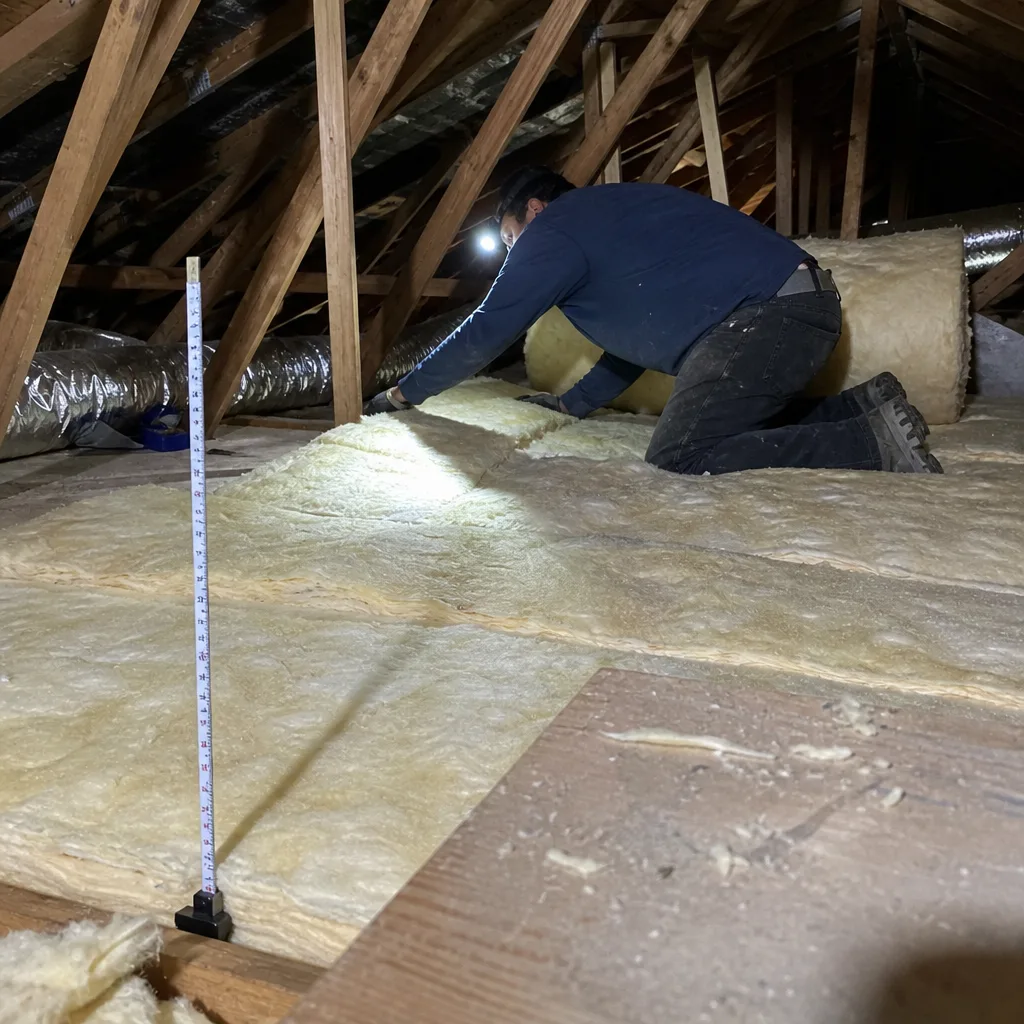
Fast, Reliable Attic Insulation Across Long Beach
Most attic insulation projects in Long Beach run $1,800 – $4,700, with blown-in cellulose and fiberglass at the lower end and spray foam or full removal-and-replacement at the higher end. We’re in Long Beach neighborhoods every week, from Belmont Heights to Bixby Knolls, and our crews know what your attic is actually dealing with: marine-layer moisture, salt air, and framing that was built before insulation was standard. If you call (562) 317-6204, a live person answers, and we’ll give you a written price before any work starts.
Long Beach homes punish insulation that isn’t installed for this climate. Cottony fiberglass batts that work fine in Riverside turn into damp, sagging sponges five blocks from the ocean. We’re local, we’ve seen it in thousands of attics here, and we build every job around that reality. No template, no inland playbook.
Why Alden Insulation Long Beach Is Long Beach’s Preferred Attic Insulation Company
We’re the insulation arm of Garrison Partners, independently owned and operated and held to The Garrison Standard since 2002. That means written prices, written guarantees, and a background-checked, uniformed crew that arrives inside the window we promised. Long Beach homeowners who’ve been burned by no-show contractors and door-revised estimates tell us the discipline is the difference. The number you approve is the number on the invoice. Every time.
Every job carries the 365-Day Done Right Promise: if the work fails within a full year, we come back and make it right at no charge. That’s in writing, not in a handshake. For Long Beach specifically, that matters because salt air and humidity create failure patterns that take months to show. A guarantee that runs all four seasons covers you through the marine-layer summer and the winter damp.
Our techs work with eight industry-respected brands: Owens Corning, Johns Manville, Knauf, Rockwool, CertainTeed, Icynene, Demilec, and GreenFiber. We stock these materials for fast turnaround in Long Beach, and we’ll tell you exactly which product we recommend for your attic and why, so you can research it yourself before signing anything.
Radiant Barrier in Long Beach
Radiant barrier in Long Beach works differently than it does inland, and done wrong it’s a waste of money. A radiant barrier is a reflective foil installed at the roof line, under the rafters, that bounces radiant heat back before it can soak into your attic. In Long Beach’s mild coastal climate, the honest answer is that it helps most in second-story rooms that bake during July and August afternoons, or on homes with dark composition shingle roofs at the edges of town like Bixby Knolls and Lakewood Village. If your attic already has R-38 and good ventilation, skip it. If your second floor runs ten degrees hotter than your first, this is a two-to-three-hour job that can make a real difference.
What does it cost? A typical single-story Long Beach home with 1,200 – 1,500 square feet of attic floor usually runs $1,400 – $2,300. Two-story or complex rooflines run more. The price includes cleaning the rafter surface so the foil adheres properly, and sealing any gaps at the eave line first. We don’t staple foil over dust and call it done.
Raised Rafter Mount vs. Direct Deck Mount
On most Long Beach homes, we install the radiant barrier on the underside of the rafters rather than directly against the roof deck. That leaves a small air channel behind the foil so moist air from the marine layer doesn’t condense on the back side and drip onto your insulation. Direct-deck mounting is common inland, but in Long Beach it can trap coastal moisture against the sheathing. We favor the method that doesn’t rot your roof.
When a Radiant Barrier Isn’t the Right Call
If your attic has existing moisture problems, we’ll tell you to fix ventilation and air sealing first. Foil over a wet attic just hides the problem. The written price we give you before work starts will only cover work that actually helps your house. Sometimes that means we recommend against the radiant barrier and quote you the air sealing your attic needs instead.
Attic Cleaning Services in Long Beach
Attic cleaning services in Long Beach aren’t a luxury add-on; they’re often the first step in making insulation work. Long Beach’s marine layer keeps mornings damp well into summer, so attics with old fiberglass batts wick salt-laden moisture against wood framing. That leads to mold on rafters, rust on fasteners, and insulation that reads R-38 on the label but performs like R-11 because it’s soaked. Before we install anything new, we often remove the old material so we can inspect the framing and fix what’s actually wrong.
A full attic cleaning and sanitation in Long Beach typically runs $1,200 – $2,800 depending on square footage and how much debris is up there. That includes vacuuming out old insulation, removing rodent droppings or construction debris, sanitizing the floor, and hauling everything away. It doesn’t include the new insulation install; we quote that separately so you see exactly what you’re paying for.
What We Remove
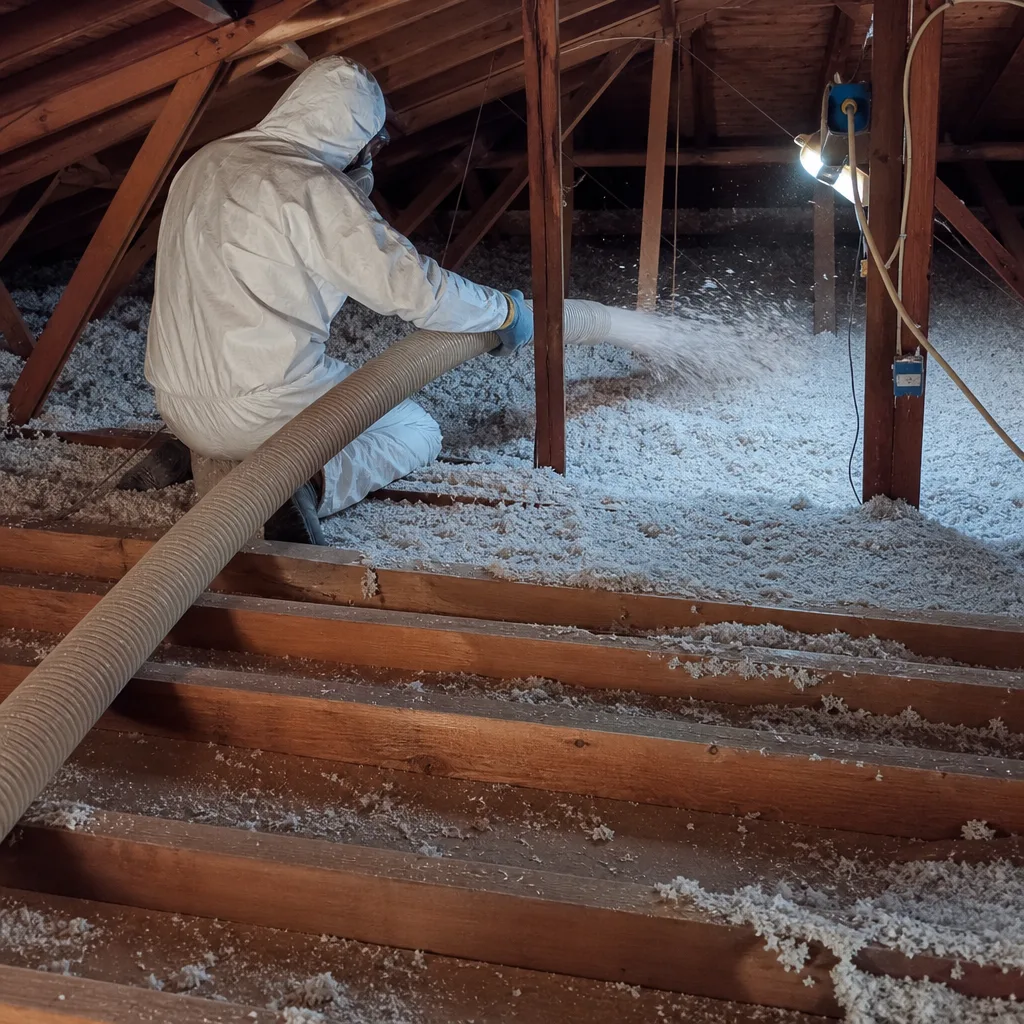
Old fiberglass batts, settled blown-in cellulose, construction debris, old rodent nests, and whatever else got left up there by previous owners. Long Beach homes from the 1960s and 70s frequently have half a foot of compressed fiberglass under blown-in material that was supposed to be a top-up but turned into a mat. We pull all of it, bag it, and get it out of your house.
Air Sealing During the Cleaning
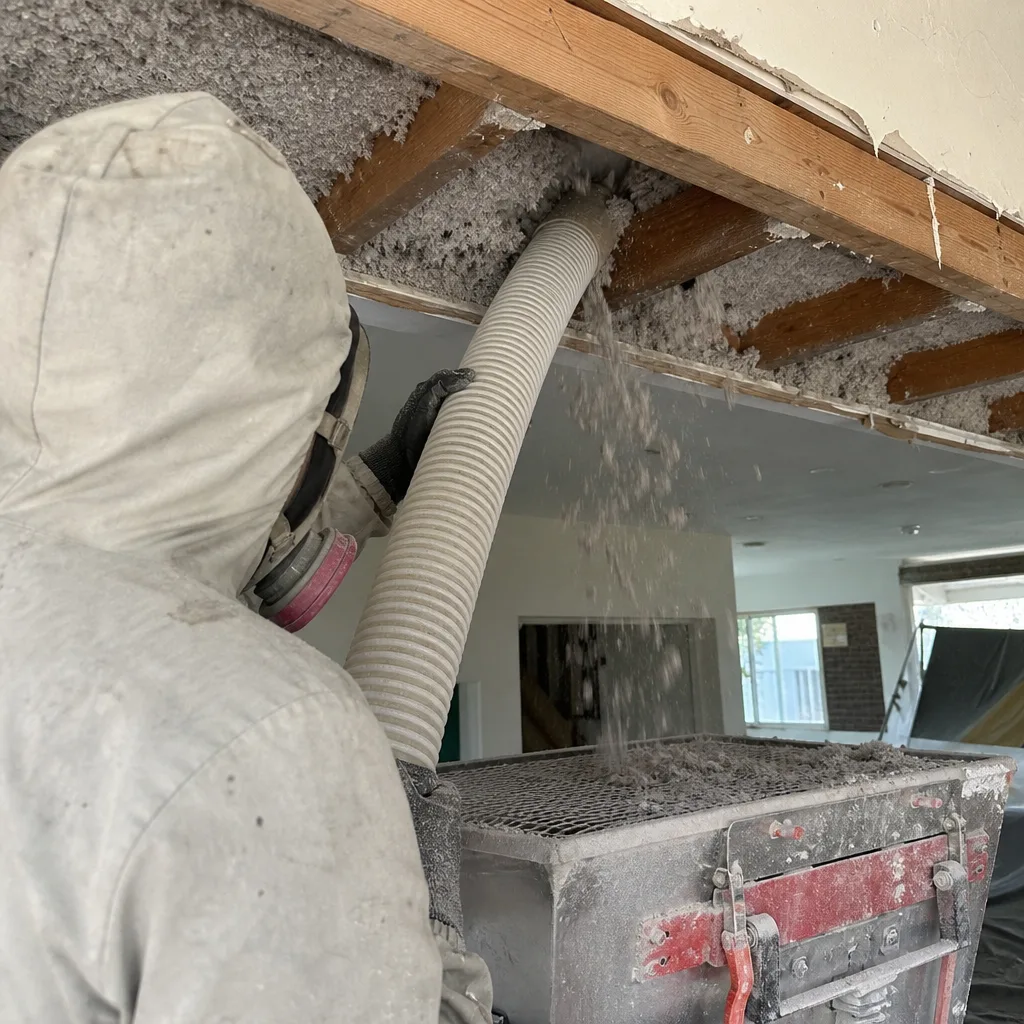
While the attic is opened up, we air seal the floor: can lights, plumbing penetrations, wire chases, and the top plates of interior walls. In 1960s-70s stucco tract homes across Long Beach, settled fiberglass leaves 3 – 4 inch gaps along the eaves, letting salt-laced air bypass insulation and rust framing nails. Sealing those gaps before new insulation goes in is the difference between a job that lasts ten years and one that starts failing in three.
What happens when you call
- 1
A real person answersNo phone trees - you reach a local pro.
- 2
You get an upfront price rangeHonest numbers before anyone is dispatched.
- 3
A background-checked tech heads outLicensed & insured, dispatched right away.
- 4
You approve before work beginsNothing starts until you say go.
Trusted Brands We Service in Long Beach
We install and remove insulation using products from Owens Corning, Johns Manville, GreenFiber, and Demilec, among others. That means you can research exactly what’s going into your attic before you say yes. For Long Beach’s coastal conditions, we frequently recommend GreenFiber dense-pack cellulose for 1920s wall cavities and Demilec closed-cell spray foam for specific air-sealing applications, with Owens Corning and Johns Manville batts for straightforward attic floors. We stock local parts and materials so turnaround for Long Beach customers is fast, usually within a week of your approved quote.
Common Attic Insulation Problems We See in Long Beach Homes
- Marine-layer moisture in 1920s attics. Our crews routinely measure 65%+ relative humidity in under-vented 1920s attics in Belmont Heights. Old fiberglass batts absorb that moisture against the rafters, fading from R-30 to R-11 and growing mold on the sheathing. The standard fix is removal, air sealing, and dense-pack cellulose or Rockwool, never just adding more batts on top.
- Salt air corroding attic access hinges and fasteners. Within a decade of a retrofit, galvanized hinges and fasteners in coastal Long Beach attics start rusting and loosening, which opens air leaks right at the access point. We replace corroded hardware with coated or stainless versions during any removal or top-up job.
- Settled fiberglass in 1960s-70s tract homes. Along the 405 corridor and through neighborhoods like Traffic Circle and El Dorado Park, the original attic insulation has compacted to a thin, ineffective mat. The 3 – 4 inch bare strip at the eaves lets moist air bypass the insulation entirely, rusting the nails that hold your roof deck down.
- Spray foam condensation on roof decks. Persistent marine-layer humidity condenses on the underside of spray foam if it’s applied directly to the roof deck without proper ventilation. On Long Beach homes this causes sheathing rot that stays hidden until a roof repair exposes it. We use vapor-permeable materials and careful air sealing instead.
Pricing for Attic Insulation in Long Beach, CA
Here’s what our Long Beach customers actually pay, based on what we see week to week. A blown-in cellulose top-up over existing insulation in a 1,200-square-foot attic runs $1,800 – $2,600. Full removal of old, damp material plus new batt installation runs $2,800 – $4,700 depending on square footage and the R-value you want. Attic cleaning alone runs $1,200 – $2,800. Radiant barrier runs $1,400 – $2,300 for a typical one-story home. Spray foam is quoted per project, not per square foot, because roof geometry varies too much in Long Beach for a blanket number. All quotes are written, and estimates are free. Call (562) 317-6204 and we’ll come measure.
We Also Serve Cities Near Long Beach
Our crews cover Long Beach and the surrounding area, including Lakewood, Hawaiian Gardens, Bellflower, and Artesia. Same crew, same written price, same 365-day guarantee. If you’re in one of those cities and your attic has coastal moisture issues, call us at (562) 317-6204 and we’ll be straight with you about what needs to happen.
Serving Long Beach, CA - Our Local Coverage Area
We’re based in the Long Beach area and know this community well. Use the map below to see our service coverage - if you’re nearby, we can almost certainly help.
FAQs About Attic Insulation in Long Beach
Salt air corrodes the fasteners, hinges, and hardware that hold insulation systems together, and it shortens the effective lifespan of fiberglass batts from 20+ years to 10-15 in coastal Long Beach homes. The insulation itself doesn’t rust, but the framing around it does when moisture and salt settle on bare metal. We use coated or stainless hardware on every coastal job and recommend vapor-permeable insulation so the attic can dry out. Call (562) 317-6204 and we’ll inspect exactly what’s happening above your ceiling.
Yes, and the trick is keeping your original eave vents clear while you add attic-floor insulation and air sealing. Your walls are likely wood lath and plaster with no cavity insulation, which means your house breathes through the eaves and ridge. If we block those vents with new insulation, moisture accumulates and the upstairs stagnates. We keep vents clear, seal the attic floor, and blow dense-pack GreenFiber cellulose into the wall cavities through small exterior holes. The home stays cooler in summer and dries out properly year-round.
Usually yes. In 1960s-70s stucco tract homes across Long Beach, the original fiberglass has settled to a compacted mat with 3 – 4 inch gaps along the eaves. Adding new insulation on top seals in the old material’s moisture and leaves the eave gaps open. We remove the old material, air seal the floor, and then blow in fresh insulation to the target R-value. It costs more than a simple top-up, but it’s the only version that actually works in this housing stock.
It helps in specific situations: second-story rooms that overheat in summer, dark roof shingles, or west-facing attics with no shade. If your attic already has R-38 and decent ventilation, you won’t feel much difference. A radiant barrier in Long Beach runs $1,400 – $2,300 for a typical one-story home, and the honest answer is that we’ll tell you not to buy it if it won’t solve your actual problem. That’s part of The Garrison Standard: we recommend the work you need, not the work that pads the invoice.
Look for vapor-permeable insulation and a contractor who prioritizes air sealing and ventilation before adding anything. The musty smell means moisture is trapped against framing, and adding more insulation on top makes it worse. We pull the old material, seal the floor and eave gaps, keep your original vents clear, and install Rockwool or dense-pack cellulose that lets the attic dry out. Call (562) 317-6204 for a free inspection and a written price. The number you approve is the number you pay.
Written by Bryce Holloway, Owner at Alden Insulation Long Beach, serving Long Beach and surrounding communities under The Garrison Standard since 2002.